News
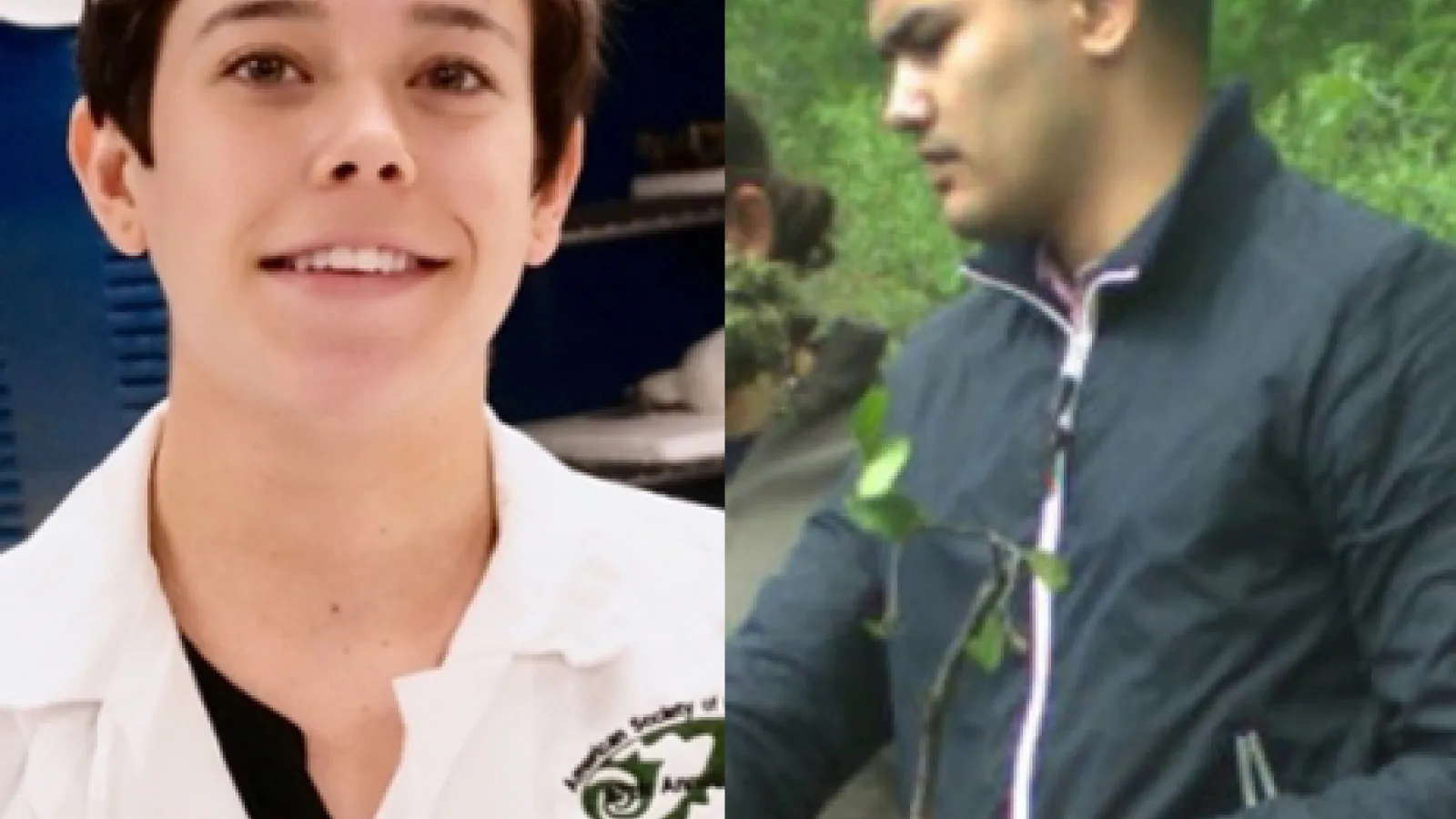
Parsons and Razik awarded Presidential Fellowship
EEOB graduate students, Danielle Parsons and Imran Razik, were awarded the 2022-2023 Presidential Fellowship! The Presidential Fellowship is the most prestigious award given by the Graduate School…
EEOB publications November 1 - November 30
Limited genetic differentiation of Mycetomoellerius mikromelanos in Parque National Soberanía, Panama: Implications for queen dispersal
Cody Raul Cardenas, Andrew J. Mularo, Andreas S. Chavez,…

Salvatore Sidoti's successful defense
Sal Sidoti, co-advised by Susan Gershman and Stu Ludsin, successfully defended his dissertation entitled, Predator Cues Induce Transgenerational Behavioral Plasticity in the Wolf Spider
Hibler strives to improve health care system for veterans
Dave Hibler, veteran and EEOB Ph.D. student, and Joy Omslaer, a social worker for brain injury survivors at the Outpatient Rehabilitation Department of The Ohio State University Wexner Medical…
Cardenas publishes in BioTropica
Cody Cardenas, a former Master's student in Rachelle Adams' Mega Ant Lab, just published his second chapter on a Panamanian fungus-growing ant. Cardenas and Andrew Mularo (a former undergraduate…

Foster and co-author capture first-ever footage of mosquito larvae capturing prey
Woody Foster, EEOB professor emeritus, co-authored a recent study on the hunting habits of mosquito larvae. The team used a 16-millimeter film camera that had been designed for the U.S. military…
EEOB Publications October 1 - October 31
Phylogeny and taxonomy of Haloclavidae (Verrill, 1899) with a redescription of the parasitic, burrowing sea anemone, Peachia chilensis Carlgren, 1931
Natalie Hamilton, Luciana C. Gusmão, Takato…
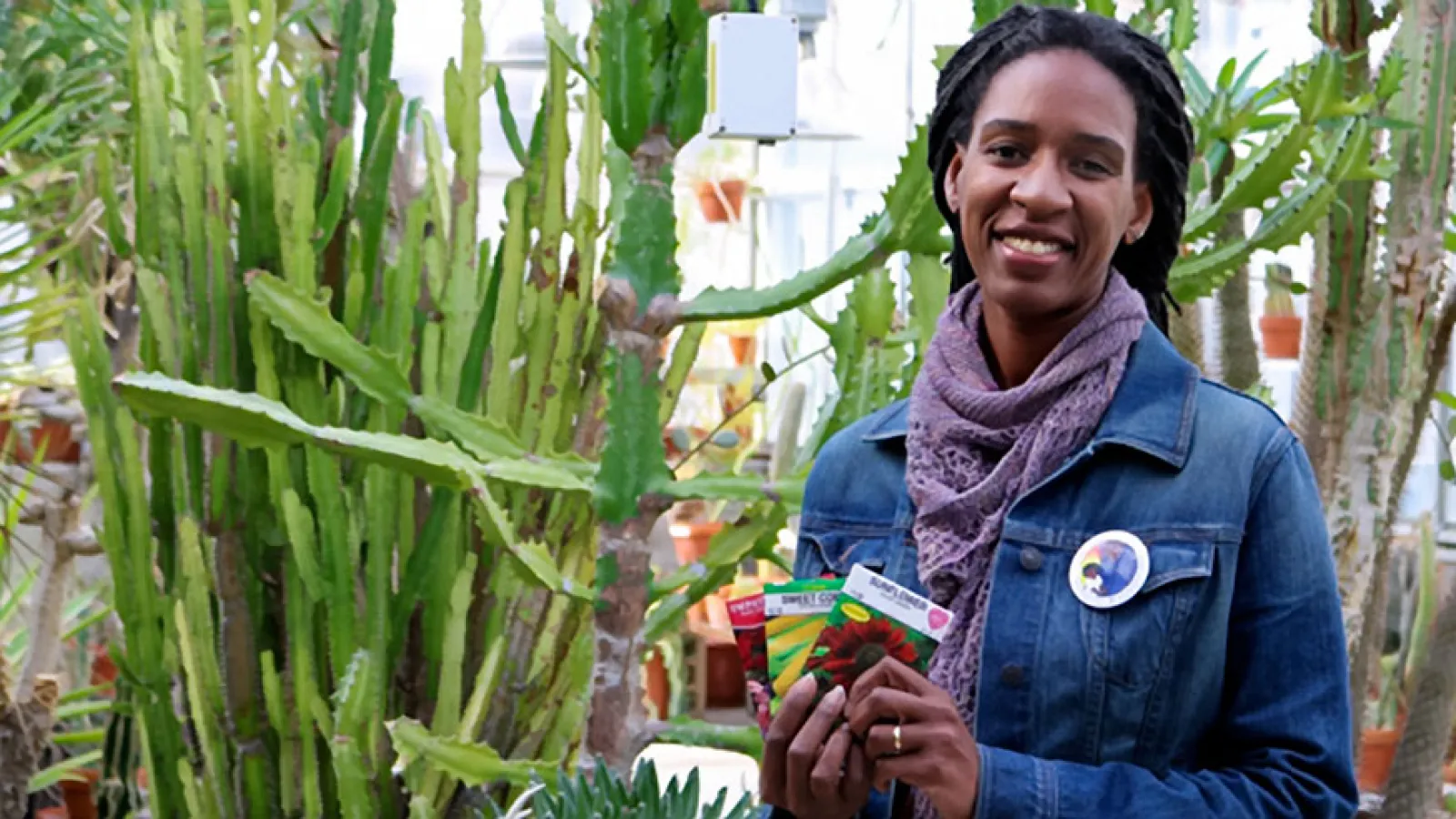
Miriti Appointed Interim Associate Dean of the Graduate School
EEOB Professor, Maria Miriti, will begin an interim appointment as Associate Dean of the Graduate School Oct. 1. She will assume the Associate Dean responsibilities related to curriculum and…
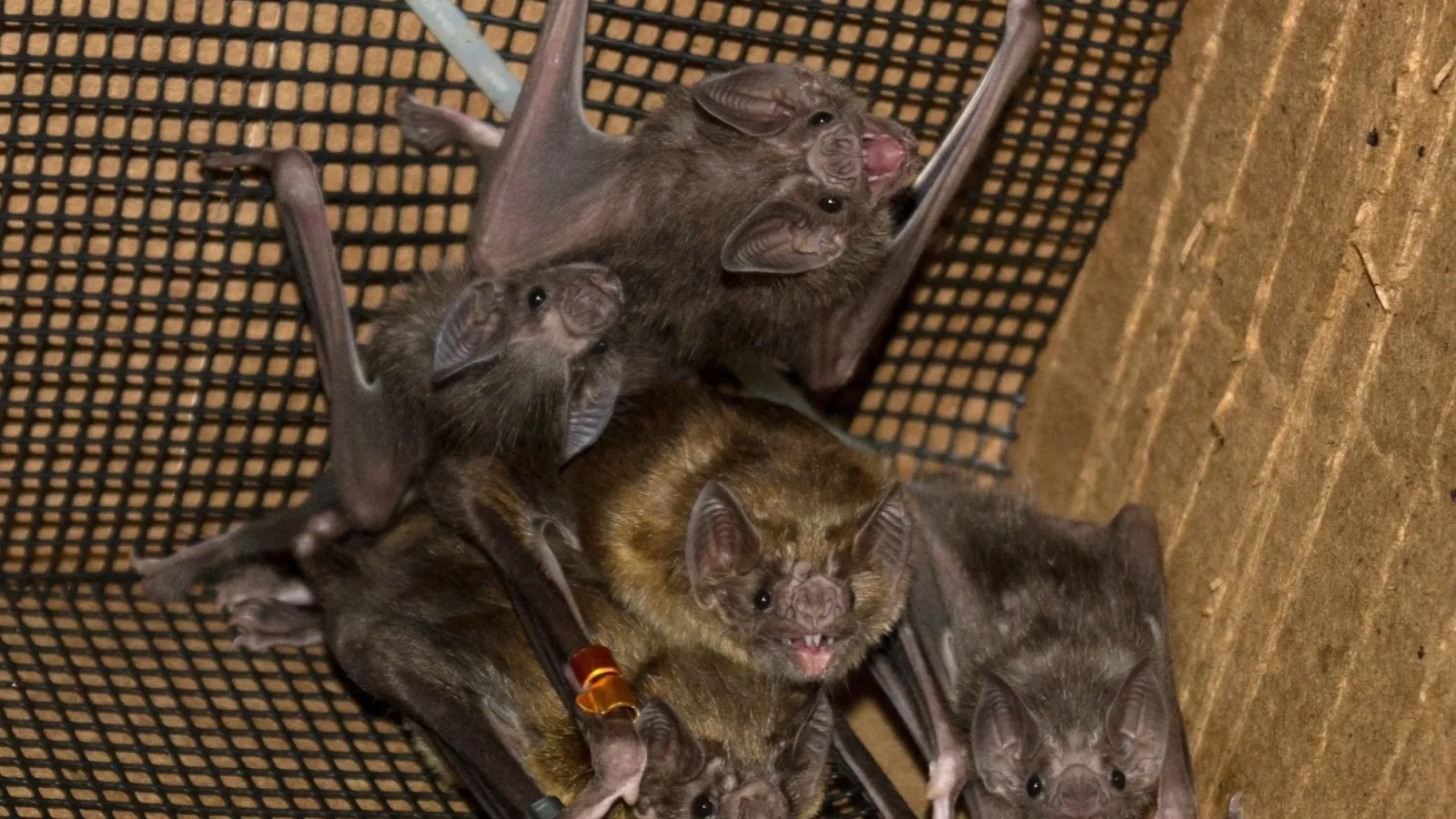
Carter Lab's research featured in Ohio State News
Vampire bats infected with the rabies virus aren’t likely to act stereotypically “rabid,” according to a new study from the Carter Lab. The study, published recently in Biology Letters,…