Arthropod systematics has been a constant thread of research at The Ohio State University, beginning in the Department of Zoology and Entomology in 1891 and continuing today. Faculty, staff, and students ask the basic questions of species discovery and documentation: Who are the species we share the world with; how can we recognize them; how are they interrelated; and how did they arise? Here we highlight the contributions of those who have been influential in addressing these questions at OSU through the years.

David S. Kellicott (1842-1898) created the first entomology course and, among his many interests, published on species of Lepidoptera (butterflies & moths) and Odonata (dragonflies and damselflies). His last, posthumous publication was entitled “The Odonata of Ohio.”

Following Kellicott’s death, Herbert Osborn (1856-1954) was recruited to chair the department. In 1916 he was appointed as the University’s first Research Professor and was the first director of the Ohio Biological Survey. Osborn specialized on Hemiptera (true bugs and their allies), particularly leafhoppers. He donated his extensive collection to the University, a major building block for its growing legacy.
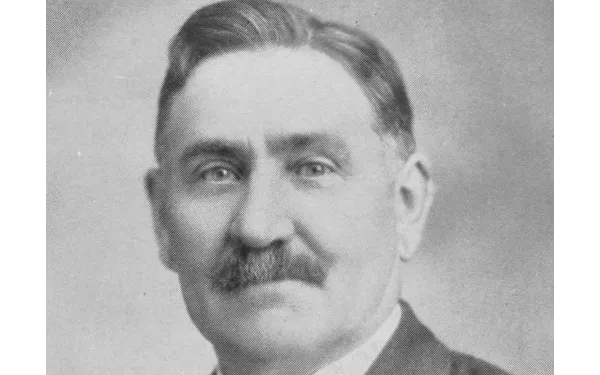
James S. Hine (1866-1930) was on the faculty from 1894-1927 and then was Curator of Natural History at the Ohio State Archaeological and Historical Society. He was a specialist on Diptera (true flies). He made research/collecting trips to Guatemala (1905-1906), Alaska (1917, 1919), and Cuba (1922).
David S. Kellicott (1842-1898) created the first entomology course and, among his many interests, published on species of Lepidoptera (butterflies & moths) and Odonata (dragonflies and damselflies). His last, posthumous publication was entitled “The Odonata of Ohio.”
Following Kellicott’s death, Herbert Osborn (1856-1954) was recruited to chair the department. In 1916 he was appointed as the University’s first Research Professor and was the first director of the Ohio Biological Survey. Osborn specialized on Hemiptera (true bugs and their allies), particularly leafhoppers. He donated his extensive collection to the University, a major building block for its growing legacy.
James S. Hine (1866-1930) was on the faculty from 1894-1927 and then was Curator of Natural History at the Ohio State Archaeological and Historical Society. He was a specialist on Diptera (true flies). He made research/collecting trips to Guatemala (1905-1906), Alaska (1917, 1919), and Cuba (1922).
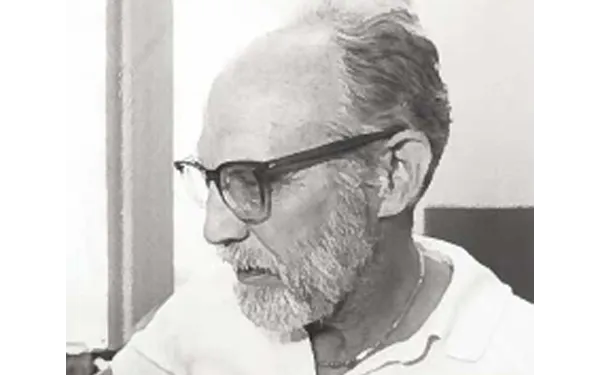
Barry D. Valentine (1924-2018) was a fixture in the departments from 1962 to 1988. He was an expert on fungus weevils of the family Anthribidae. Through his own extensive field work and exchanges he built up a worldwide collection that he donated to the Smithsonian Institution.
John W. Wenzel was on the faculty from 1994-2011 and then moved on to the Carnegie Museum of Natural History. He is an expert in wasps of the family Vespidae (paper wasps, yellowjackets, hornets) and phylogenetic theory/methodology. He is an effective and popular educator and received the Distinguished Teaching Award from the University. He served as Director of the Museum of Biological Diversity for 10 years.

Rachelle M.M. Adams joined the faculty in 2016. She studies ant systematics, evolution, and symbioses, particularly the relationship between Neotropical fungus-growing ants and parasitic ants that invade their colonies. She has conducted extensive fieldwork and teaches field courses on tropical behavioral ecology and evolution in Panama and Costa Rica, as well as Ohio ant biodiversity.
Barry D. Valentine (1924-2018) was a fixture in the departments from 1962 to 1988. He was an expert on fungus weevils of the family Anthribidae. Through his own extensive field work and exchanges he built up a worldwide collection that he donated to the Smithsonian Institution.
John W. Wenzel was on the faculty from 1994-2011 and then moved on to the Carnegie Museum of Natural History. He is an expert in wasps of the family Vespidae (paper wasps, yellowjackets, hornets) and phylogenetic theory/methodology. He is an effective and popular educator and received the Distinguished Teaching Award from the University. He served as Director of the Museum of Biological Diversity for 10 years.
Rachelle M.M. Adams joined the faculty in 2016. She studies ant systematics, evolution, and symbioses, particularly the relationship between Neotropical fungus-growing ants and parasitic ants that invade their colonies. She has conducted extensive fieldwork and teaches field courses on tropical behavioral ecology and evolution in Panama and Costa Rica, as well as Ohio ant biodiversity.
The Book: An Introduction to the Study of Insects
Now in its 7th edition, the classic text “An Introduction to the Study of Insects” was a product of the strong entomological focus at OSU. The original edition, published in 1953, was co-authored by Donald J. Borror and Dwight M. DeLong. Charles A. Triplehorn and Norman F. Johnson joined the effort as co-authors starting with the 4th and 6th editions, respectively. This text has served as foundational reading for the field for more than 70 years!

Donald J. Borror (1907-1988) was an expert on Odonata and bioacoustics. Borror was a Fellow of the Entomological Society of America, American Ornithologist’s Union, and American Association for the Advancement of Science.
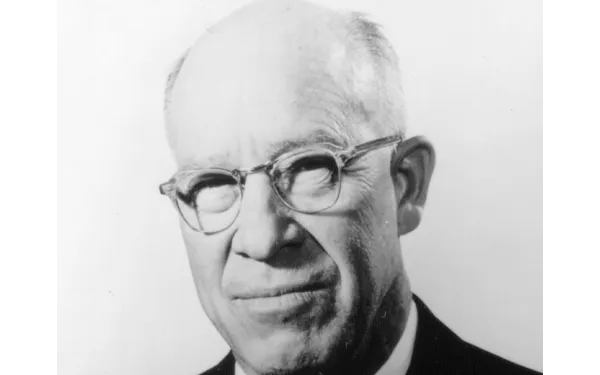
Dwight M. DeLong (1892-1984) specialized on Cicadellidae (leafhoppers), producing more than 400 publications on this group. DeLong received OSU’s Distinguished Teaching Award in 1962 and was a Fellow of the American Association for the Advancement of Science. He donated his massive collection of leafhoppers to the University, making it second in size in the U.S. only to the Smithsonian Institution.
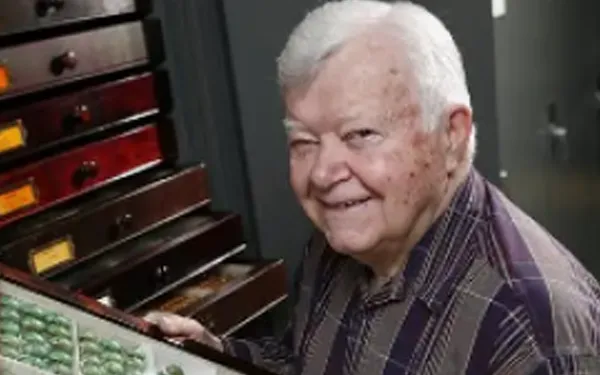
Charles A. Triplehorn (1927-2022) joined the faculty in 1957 and served as Curator of the Insect Collection that now bears his name. His research focused on darkling beetles (Tenebrionidae). He collected widely in the Western Hemisphere, notably in Mexico and Brazil. He was President and Honorary Member of the Entomological Society of America.

Norman F. Johnson joined the faculty in 1981 and assumed directorship of the Insect Collection upon the retirement of Chuck Triplehorn in 1992. His specialty is parasitoid wasps, particularly the family Scelionidae. He was the first holder of the Martha N. and John C. Moser Chair in Arthropod Systematics and Biodiversity and served as Associate chair of the Department of Evolution, Ecology & Organismal Biology. He is a Fellow of the American Association for the Advancement of Science and the Royal Entomological Society.
Charles A. Triplehorn (1927-2022) joined the faculty in 1957 and served as Curator of the Insect Collection that now bears his name. His research focused on darkling beetles (Tenebrionidae). He collected widely in the Western Hemisphere, notably in Mexico and Brazil. He was President and Honorary Member of the Entomological Society of America.
Norman F. Johnson joined the faculty in 1981 and assumed directorship of the Insect Collection upon the retirement of Chuck Triplehorn in 1992. His specialty is parasitoid wasps, particularly the family Scelionidae. He was the first holder of the Martha N. and John C. Moser Chair in Arthropod Systematics and Biodiversity and served as Associate chair of the Department of Evolution, Ecology & Organismal Biology. He is a Fellow of the American Association for the Advancement of Science and the Royal Entomological Society.
C.A. Triplehorn Insect Collection
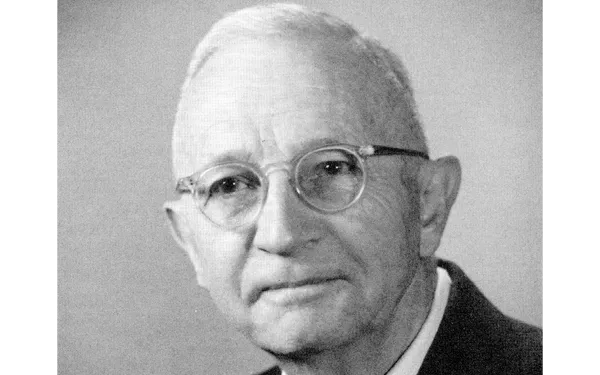
Josef N. Knull (1891-1975) was appointed to the faculty as the first curator of the Insect Collection in 1934. He was a specialist on Coleoptera (beetles), particularly wood-boring beetles. He was a meticulous curator and a prolific collector. Under his guidance, the collection grew exponentially to become a world-recognized resource for taxonomic research. He was elected Fellow of the Entomological Society of America in 1943.

Dorothy Johnson Knull (1908-1992) made massive contributions to the Insect Collection. She and her husband Joe Knull spent most summers from the 1930s to the early 1990s on collecting trips to the American Southwest. She and Joe also established two endowment funds that provide the financial backing for the collection. In 1943 she was elected Fellow of the Entomological Society of America.
C.A. Triplehorn Insect Collection
Josef N. Knull (1891-1975) was appointed to the faculty as the first curator of the Insect Collection in 1934. He was a specialist on Coleoptera (beetles), particularly wood-boring beetles. He was a meticulous curator and a prolific collector. Under his guidance, the collection grew exponentially to become a world-recognized resource for taxonomic research. He was elected Fellow of the Entomological Society of America in 1943.
Dorothy Johnson Knull (1908-1992) made massive contributions to the Insect Collection. She and her husband Joe Knull spent most summers from the 1930s to the early 1990s on collecting trips to the American Southwest. She and Joe also established two endowment funds that provide the financial backing for the collection. In 1943 she was elected Fellow of the Entomological Society of America.
Acarology Collection
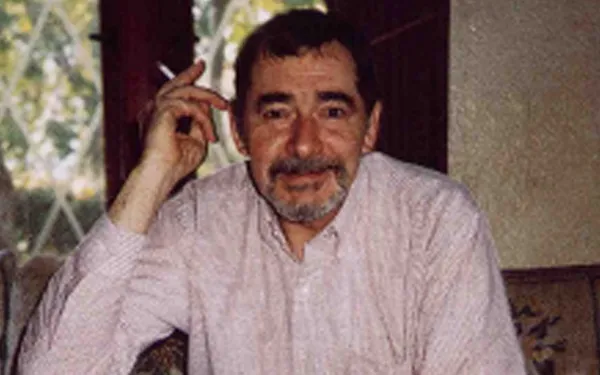
Donald E. Johnston (1934-1994) was Curator of the acarology collection (mites and ticks), beginning in 1960. He came to Ohio State when the Institute of Acarology was brought here by the new departmental chair, George Wharton. For more than 30 years he was the scientific coordinator of the Acarology Summer Program, training aspiring acarologists from around the world.
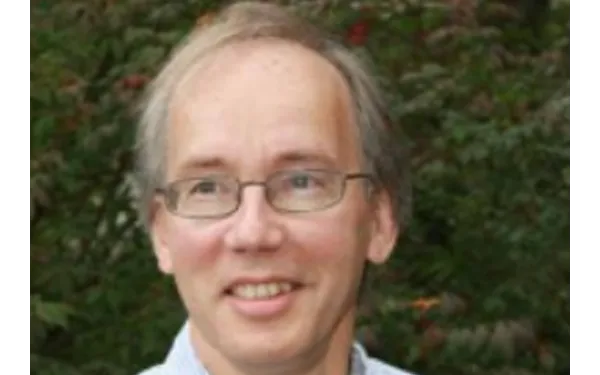
Hans Klompen took over the Acarology collection following the death of Don Johnston and continued as coordinator of the Summer Program for another 20 years. His primary research interests are the systematics and evolution of mites, specifically turtle mites (Uropodina).
Acarology Collection
Donald E. Johnston (1934-1994) was Curator of the acarology collection (mites and ticks), beginning in 1960. He came to Ohio State when the Institute of Acarology was brought here by the new departmental chair, George Wharton. For more than 30 years he was the scientific coordinator of the Acarology Summer Program, training aspiring acarologists from around the world.
Hans Klompen took over the Acarology collection following the death of Don Johnston and continued as coordinator of the Summer Program for another 20 years. His primary research interests are the systematics and evolution of mites, specifically turtle mites (Uropodina).